
HomeDār Al-ʿUlūm LifeLibrary
Library
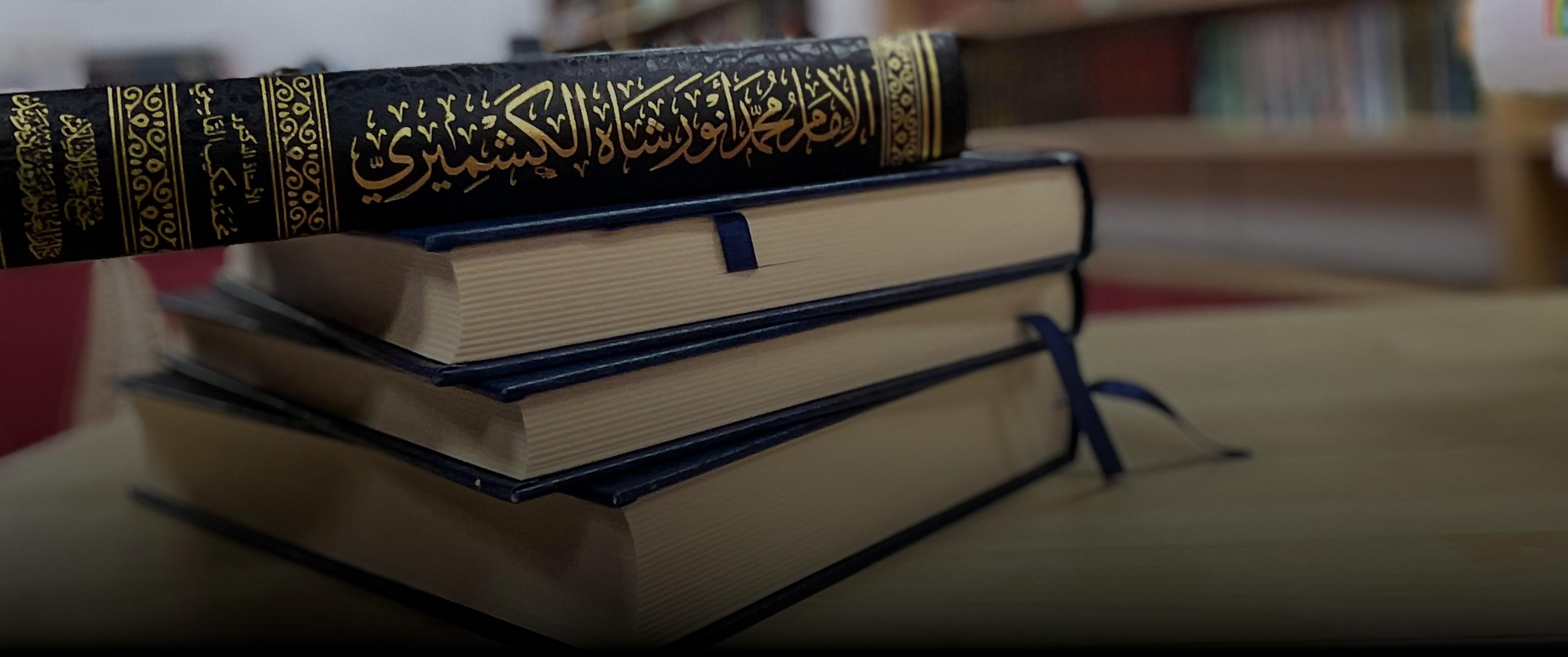
ʿAllāmah Anwar Shāh al-Kashmiri Library
One of the capstone experiences of any student of ʿilm is the hours spent in the library exploring the rich and bewildering legacy of Islamic scholarship. Our library is our prized possession; it is richly-stocked, always-increasing, and will satisfy the demands of the most discerning researcher. Most importantly: it is open day and night.
With the establishment of the ʿAllāmah Anwar Shāh al-Kashmiri Library, Dār al-ʿUlūm al-Imām Muḥammad Ādam al-Islāmiyyah welcomes a host of books shipped from all over the globe; including Egypt, India, Jordan, Lebanon, Pakistan, Turkey, and many other places.
The Dār al-ʿUlūm al-Imām Muḥammad Ādam al-Islāmiyyah aims to enrich the intellectual and creative life of our student community by facilitating information discovery and the creation and dissemination of research.
What’s in the name
The Dār al-ʿUlūm al-Imām Muḥammad Ādam al-Islāmiyyah is honoured to have its library named after the great polymath ʿAllāmah Anwar Shāh al-Kashmiri (d. 1352/1933).
One of the greatest scholars of recent times, to have emerged from Syria, Shaykh ʿAbd al-Fattāḥ Abu Ghuddah (d. 1417/1997) writes in the Arabic language, the biography of ʿAllāmah Anwar Shāh al-Kashmiri as follows:
“He studied under his father and the other shuyūkh in his homeland until he surpassed his peers in distinction within a very short time. At a very early stage in his studies, he learned Mukhtaṣar al-Qudūri in jurisprudence. He would ask the teacher questions that were so astute that the teacher often had to search for the answers by consulting al-Hidāyah and its commentaries. Some of the most outstanding scholars of his time saw the notes he would write in his textbooks and predicted that he would become the Ghazāli of his time and the Rāzi of his era.
In the lands of Kashmir, the science of jurisprudence and fatwā was an extremely competitive field. Nevertheless, by the time the talented young shaykh had reached twelve years of age, he was already passing fatwās for the people, and his fatwās were equally proper and correct as those of the senior shuyūkh in the area.
A typical twelve-year-old child will barely have mastered the rulings of purification and wuḍū. As for being a jurist and muftī at that age, it is indeed something incredible. Precious few individuals such as this exist in the world – indeed, among all the children of Adam. And Allāh assigns His bounty to whoever He wills from among His slaves, and He is the possessor of bounty unlimited.” (From Tarājim Sittah min Fuqahā al-ʿAlam al-Islāmī fī ‘l-Qarn al-Rābiʿ ʿAshara wa Āthāruhum al-Fiqhiyyah).